
Unlock Your Communication Potential With the DISC Assessment for Free
Take DISC Assessment Test
Get StartedWhat Is the DISC Model and How Does It Improve Everyday Collaboration
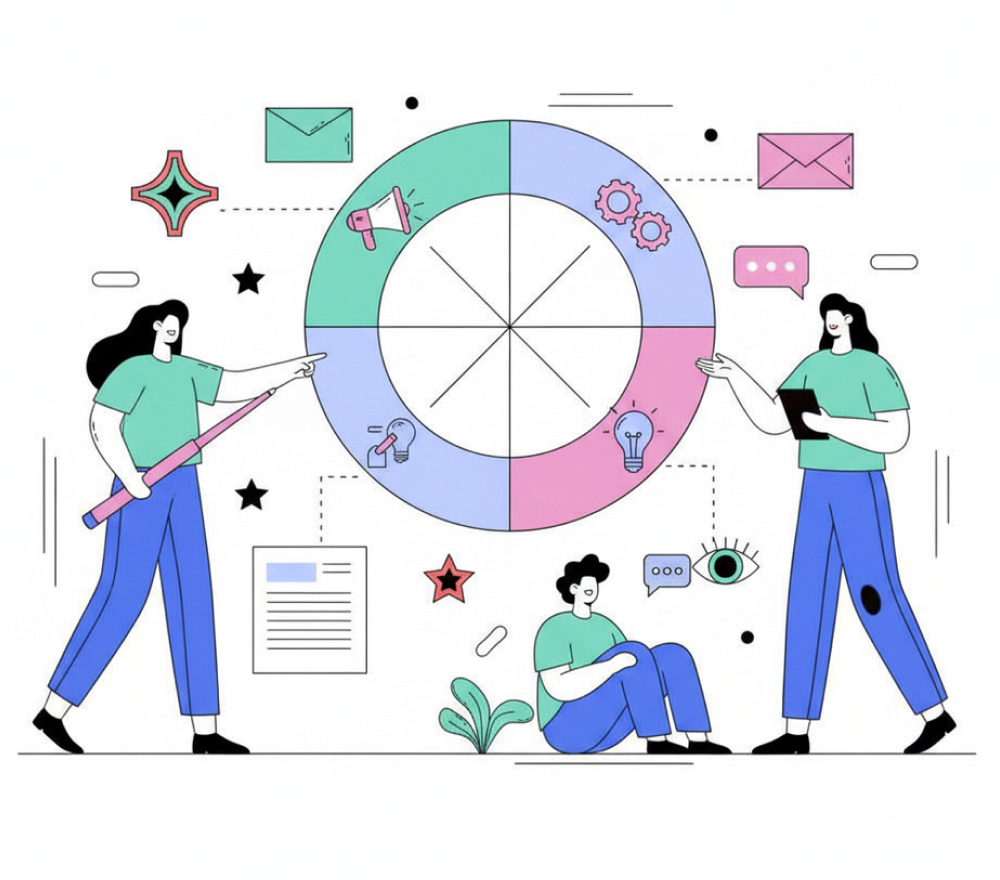
The DISC framework maps observable behavior into four style clusters: Dominance, Influence, Steadiness, and Conscientiousness. Rather than diagnosing personality, it highlights how people prefer to communicate, make decisions, respond to pressure, and pursue results. Teams use it to reduce friction, managers use it to coach with clarity, and individuals use it to self-calibrate in meetings, emails, and negotiations. Because the model is simple, it becomes a shared language that demystifies tensions and turns them into practical agreements about pace, detail, and follow-up.
Many first-time users want a quick way to sample the approach before committing time or budget. For newcomers, exploring a DISC assessment free option lowers the barrier to entry and sparks curiosity about how style impacts outcomes. That initial exposure often reveals easy wins, like adjusting how you request updates from a data-focused colleague or how you present ideas to a fast-paced stakeholder.
Once the basics resonate, people typically look for a short onboarding experience to collect baseline insights without overwhelm. That is why a trustworthy free DISC assessment test provides a compact questionnaire, straightforward scoring, and a digestible overview of strengths, blind spots, and collaboration tips. With a shared vocabulary in place, teams can align on expectations, anticipate misunderstandings, and choose communication tactics that feel natural for everyone involved.
- Understand the four-factor model in minutes without academic jargon.
- Create a neutral language for discussing tensions without blame.
- Spot predictable stress reactions and plan de-escalation strategies.
- Turn stylistic differences into complementary roles on projects.
How a Free Assessment Works and What You Get
A typical DISC questionnaire presents everyday scenarios and asks how you would likely respond. Behind the scenes, your selections map to patterns associated with directness, sociability, patience, and precision. Reputable tools transform those patterns into a concise narrative: primary and secondary styles, communication do’s and don’ts, motivators, and stress triggers. The best outputs feel practical, not abstract, think real-world tips for meetings, feedback, conflict, and decision-making.
Modern delivery makes the process quick and accessible across devices with clear confidentiality notes and minimal friction. If you prefer the convenience of mobile or desktop, a DISC assessment online free experience delivers instant scoring and a brief style snapshot so you can apply takeaways immediately. Look for assessments that keep the number of items reasonable while maintaining good coverage of the four dimensions.
Quality matters, even when you are not paying, so review how results are explained and whether the guidance is actionable. Look for a provider that clarifies privacy and scoring methods when offering a free DISC assessment online so you understand what each response contributes to the final profile. When a report links recommendations to your likely behaviors, you can test suggestions in real conversations and iterate quickly.
- Expect 12–30 items in an entry-level questionnaire with clear choices.
- Seek reports with examples for emails, 1:1s, and group meetings.
- Prefer providers that state data retention and anonymity policies.
- Use the insights as hypotheses to validate in your interactions.
Practical Benefits for Teams, Managers, and Job Seekers
Organizations deploy DISC to reduce rework, accelerate onboarding, and sharpen collaboration across functions. By naming communication preferences, teammates coordinate faster and avoid preventable misread signals. Managers develop a repertoire of coaching approaches, choosing when to be concise, when to explore feelings, and when to dive into detail. Job seekers use the language to present strengths crisply and to anticipate interview dynamics, especially with panels that display mixed styles.
The immediate upside shows up in meetings, handoffs, and feedback loops that previously felt murky. When onboarding new teammates, a free online DISC assessment can jump-start trust and set expectations about pace, detail, and decision rights across your workflow. That shared understanding trims status meetings, surfaces risks earlier, and clarifies when to escalate.
Customer-facing roles benefit because style flexibility pays dividends in rapport and retention. For client-facing work, a free online communication style assessment equips professionals to modulate tone, energy, and specificity in ways that resonate with different buyers. Over time, this turns into better DISCovery conversations, smoother negotiations, and service experiences that feel tailored rather than generic.
- Reduce friction by aligning on response time, structure, and follow-through.
- Improve coaching by matching feedback style to what motivates each person.
- De-risk projects by pairing complementary strengths on critical tasks.
- Enhance customer rapport by adapting to diverse communication cues.
Interpreting the Four Styles and Core Dimensions
Every person can flex across all four styles, yet most people display a recognizable blend. Dominance skews toward decisiveness and momentum, Influence toward enthusiasm and connection, Steadiness toward harmony and patience, and Conscientiousness toward accuracy and structure. Rather than boxing people in, use the model to anticipate needs under pressure and to choose strategies that make collaboration smoother. Labels are shorthand, not identity; context and skill development always matter.
| Style | Primary Needs | Motivators | Helpful Approaches |
|---|---|---|---|
| Dominance (D) | Autonomy, speed, results | Challenges, authority, wins | Be brief, focus on outcomes, offer choices |
| Influence (I) | Recognition, interaction, variety | Social proof, enthusiasm, collaboration | Use stories, brainstorm, show optimism |
| Steadiness (S) | Stability, support, clarity | Team harmony, trust, consistency | Provide context, move steadily, show empathy |
| Conscientiousness (C) | Accuracy, logic, standards | Quality, expertise, precision | Share data, define criteria, avoid vagueness |
Interpret your results as a living hypothesis that you refine with feedback and observation in real situations. Before reading too much into labels, remember that a DISC assessment free online test offers a directional snapshot to guide reflection and experimentation rather than a fixed verdict. This mindset keeps the model empowering and prevents misuse as a rigid classifier.
Facilitators often pair the model with scenario practice and structured debriefs to turn insights into habits. In workshops, a free communication style assessment becomes a springboard for conversations about preferences, triggers, and boundaries that create lasting team agreements. The most effective teams revisit those agreements during retrospectives and adjust as projects evolve.
- Treat your style as context-dependent rather than permanent.
- Use peer feedback to validate or adjust your self-perception.
- Document team norms, meeting cadence, decision methods, escalation paths.
- Revisit and refine agreements after major milestones or changes.
Tips to Prepare, Take, and Apply Results Responsibly
Approach the questionnaire with everyday scenarios in mind, not aspirational ideals. Answer quickly and honestly, focusing on how you actually behave under normal conditions. Avoid gaming the instrument for a job description; accuracy helps you collaborate better and present yourself authentically. Afterward, translate insights into small behavioral experiments, like adjusting email subject lines, changing the order of agenda items, or adding data summaries for detail-focused stakeholders.
Consider how your stakeholders experience your workflow and communication cadence across channels. If time is limited and you need a baseline reference, a concise free DISC profile assessment provides enough signal to inform meeting etiquette, messaging structure, and follow-up rhythm. You can then add depth later with a longer tool or a facilitated workshop for your team.
Sustained impact comes from repetition and reflection rather than a one-time readout. For students or early-career professionals, it is helpful to take DISC assessment online free to practice interpreting reports and turning takeaways into practical adjustments that you can observe and measure. Pair insights with metrics like response rates, cycle time, or stakeholder satisfaction to confirm that your new habits are working.
- Schedule a 15-minute debrief with a colleague to compare perceptions.
- Set one experiment per week tied to a specific communication outcome.
- Capture before-and-after examples to track real behavior change.
- Reassess quarterly to calibrate progress and identify new opportunities.
FAQ: Common Questions About Free DISC Tools
Is DISC a personality test or a behavior model?
DISC focuses on observable behavior and communication preferences, not deep personality traits. It describes how people tend to approach tasks, relationships, and problem-solving, especially under time pressure or uncertainty.
How accurate are free versions compared to paid ones?
Short questionnaires can deliver solid directional insights when they use clear items and sound scoring. In many cases, a reputable provider can offer a DISC communication styles assessment free with enough fidelity to inform everyday collaboration while reserving advanced features for premium tiers.
Can DISC predict job performance?
No single instrument should be used as a hiring gate, and DISC is best positioned as a communication and teamwork lens. Its value emerges when people use the language to adapt behavior, set norms, and improve handoffs across functions.
What should I do if my results don’t feel accurate?
Treat the profile as a hypothesis and gather feedback from colleagues about when it fits and when it does not. You can also refine your understanding by taking a brief refresher using a communication styles assessment free option from a credible source and comparing patterns across reports.
How can teams implement DISC without a consultant?
Start small with a shared overview, agree on a few communication norms, and run a pilot in one project before scaling. Document what works, capture examples, and create a short playbook that turns insights into concrete rituals your team can repeat.